Iteration 2 and 3 Dominik - Mapping Breath to mechanical movement actuating a bellows.
This iteration focused on using the microbit microphone as a sensor to detect persons breathing pattern.
The microphone on the microbit has a default threshold of 128 value that is a value microbit uses for the level.

I found a few inspirations for the hat design that I didn't even knew existed:
https://youtu.be/4FWVwcdLL3s
https://youtu.be/e24oOgo5pgk
https://youtu.be/EFzHNKy79QY
From the test videos below you can see we graphed the sound level with a serial plotter to look at the thresholds. It was easy to spot when a breath was blown out as it produced more nose in the microphone than when you were breathing in.
A better visual of this would be the below screenshot. Where the point where there appears to be almost a flat line we can see little peaks and the troughs represent the time between a breath in and a breath out.
Its important to note this is not a proper breathing sensor its a DIY version of breath mapping using a microphone.

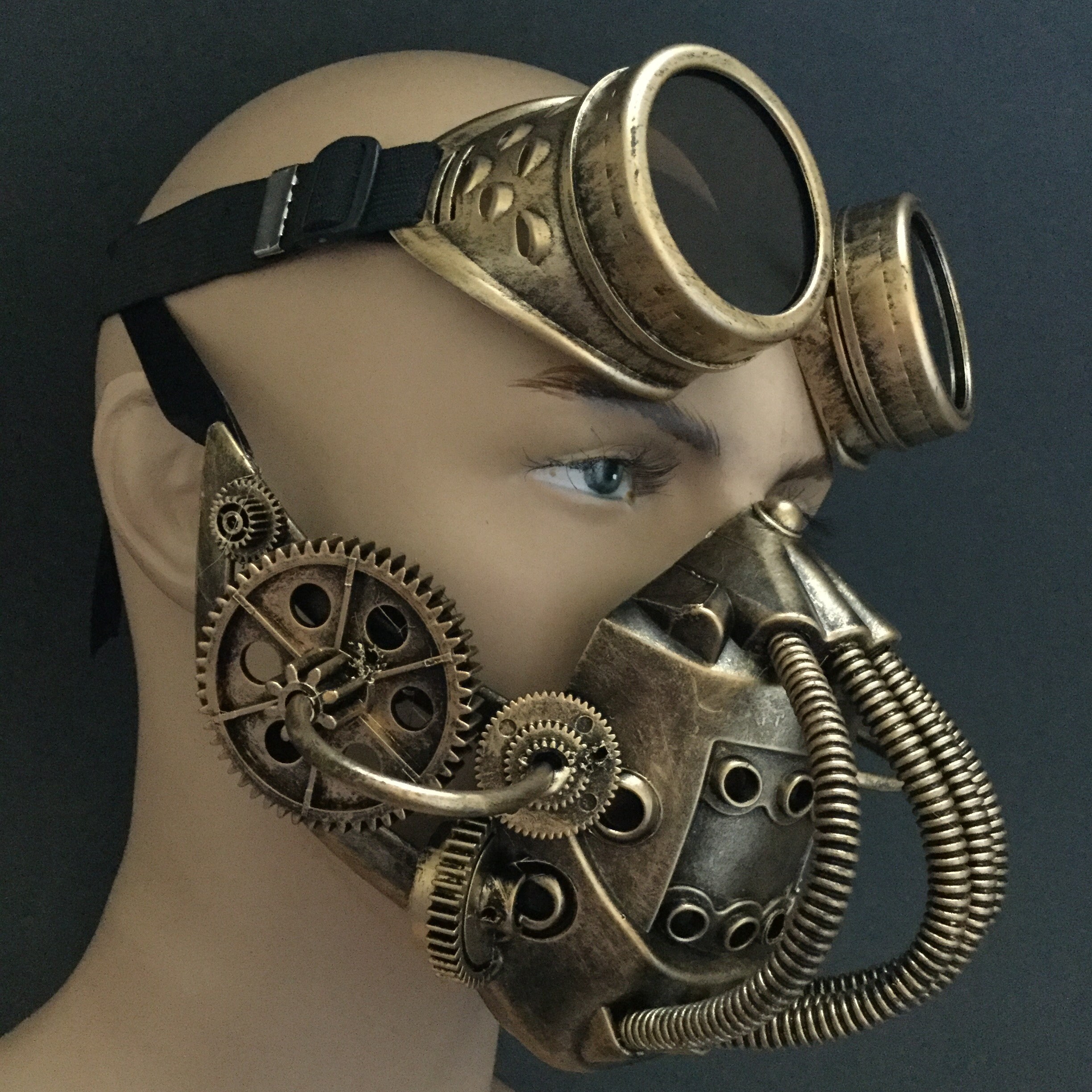
My initial solution to detect breathe in was to use a timer after a person took the breath. It worked but it didn't map all styles of breathing. After discussing possible solutions the best way to detect breathing in and out was to funnel the breath. We used insulating foam, my idea fr the future is to use something in the style of a gas mask or painters mask where the breathing is funnelled to some filters to cause enough interference in the microphone. Image below shows a concept design idea for the mask.

Once the thresholds and the ideas were confirmed and initially tested on the microbits. I started looking at connecting a servo to the board and creating a frame with a mechanism that would resemble a train wheel crank. My design ended up looking more like a piston which I think matched the breathing concept and in practice looked like you are pumping air into the piston by blowing at a microbit. I then needed an application for this mechanism and came across this video of how to make an accordion from paper. I think this is good to be used as a bellows and having a whistle on pen cap attached could sonify the movement of the accordion. https://youtu.be/yhiLKLpLvlM


I installed this design onto the steampunk hat and here are the results:
The next step for this iteration is the addition of sounds and and bluetooth connectivity. I started sound some set up for serial communication between two microbits and the image below shows the string "play" being sent to initiate the play command for a new track of a phone connected over bluetooth to a microbit.

This iteration has shown that there is a lot of creativity and personality that can be expressed through this concept of the steam punk hat. 🎩
The code for this iteration can be found here:
https://makecode.microbit.org/_iUVJi58WqU13 - Breathing
https://makecode.microbit.org/_EYT8pLKTH49g - Hat contraption code
The concept is simple the based on a toggle the breathing "sensor" sends a value whether its a peak or a trough and base on that sends a mic in and mic out string to the hat which in turn moves the servo.


Dominik Wawak, February 2023.


Comments
Post a Comment